
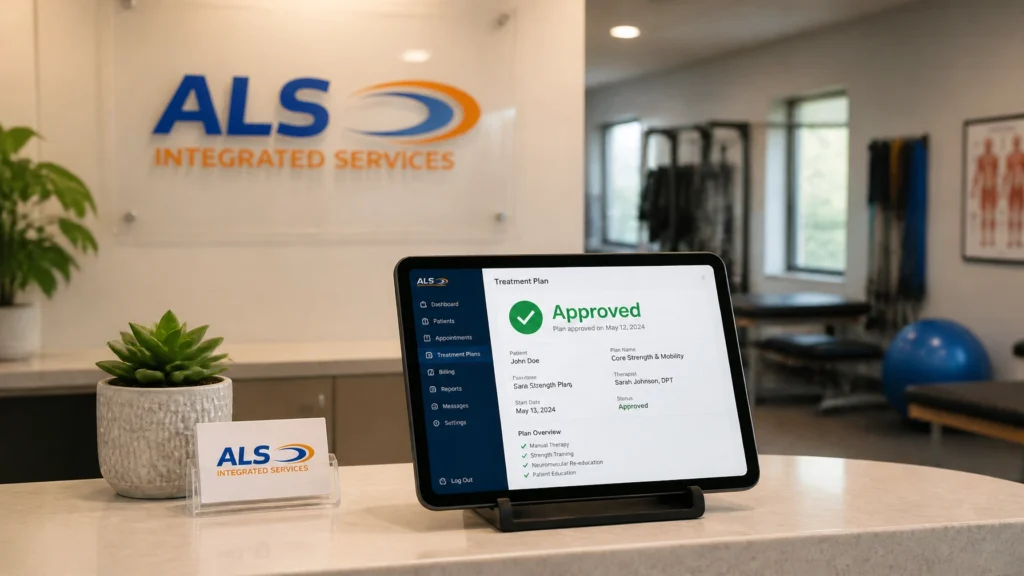
Implementing automated prior authorizations is no longer just a luxury for large hospital systems; it is a necessity for independent therapy practices looking to survive in a modern landscape. If you have ever spent your Monday morning on hold with an insurance payer only to be told the "portal is down," you know exactly how manual workflows can choke a clinic's growth. By integrating automated tools into your existing therapy billing cycle, you can reduce the administrative burden on your front desk and ensure that your providers can focus on patient care rather than paperwork.
At ALS Integrated Services, we see firsthand how outdated authorization processes lead to delayed care and significant revenue loss. Whether you are operating a bustling outpatient clinic in Arizona or a specialized pediatric practice in Pennsylvania, the goal is the same: predictable cash flow and administrative peace of mind.
Confessions of a Medical Biller: Welcome to Payer Purgatory
In our recurring series, "Confessions of a Medical Biller," we often talk about "Payer Purgatory." This is that dark place where a patient is ready for their evaluation, the therapist is prepped, but the authorization is stuck in a black hole. I once worked with a clinic in Colorado that was losing nearly $4,000 a month simply because the front desk could not keep up with the varying requirements of different Medicare Advantage plans.
They were using a spreadsheet to track authorizations. One missed line on that spreadsheet meant ten visits were performed without a valid auth number. By the time the billing team realized it, the claims were denied as "unauthorized services." This is a classic example of a "revenue leak" that could have been completely avoided with automated prior authorizations.
Our complete guide to physical therapy medical billing explains the entire process of how these leaks happen and how to plug them for good.
Why Automate Your Authorization Workflow?
The primary reason to shift toward automation is accuracy. Human error is the leading cause of authorization-related denials. When you automate, the system identifies requirements based on the payer and the specific CPT codes being used (such as 97110 for therapeutic exercise or 97112 for neuromuscular re-education).
Automation also addresses the high-intent challenge of managing high-deductible plans. Especially during the beginning-of-year deductible resets, patients are often wary of starting care. If your system can automatically verify both eligibility and the need for authorization, you can give the patient a clear financial picture on day one. This transparency builds trust and reduces the likelihood of "no-shows" later in the month.

Step 1: Map Your Current Patient Intake Path
Before you plug in a new piece of technology, you must understand where your current bottlenecks live. For most therapy practices, the workflow looks like this:
- Referral Receipt: A physician sends over a referral.
- Insurance Verification: The front desk checks if the patient is active.
- Authorization Check: The team manually checks if the specific plan requires a prior auth for PT, OT, or ST.
- Submission: If required, the team faxes clinical notes or logs into a payer portal.
- Tracking: Waiting for the "Approved" status.
When integrating automated prior authorizations, you want the system to trigger the "Check" and "Submission" steps the moment the insurance information is entered during intake.
Step 2: Configure Your Modifiers and CPT Codes
One of the most common mistakes in therapy billing is the improper use of discipline-specific modifiers. For your automated system to work correctly with your billing software, it must recognize the relationship between the authorization and the plan of care.
In 2026, the use of modifiers like GP (Physical Therapy), GO (Occupational Therapy), and GN (Speech-Language Pathology) is mandatory for almost all therapy claims. Your automation should be smart enough to:
- Link the authorization number specifically to the discipline modifier.
- Alert the front desk if an authorization for "PT" is being used for an "OT" visit.
- Apply the KX modifier automatically once the patient crosses the annual Medicare therapy threshold, provided medical necessity is documented.
If you are struggling with these nuances, our guide on avoiding front desk mistakes offers a deep dive into how these small clerical details can lead to thousands of dollars in lost revenue.
Step 3: Address State-Specific Payer Trends
Depending on where your clinic is located, your automated prior authorizations strategy might look a little different.
- Arizona (AZ): With a high concentration of Medicare Advantage plans, Arizona clinics often face aggressive utilization management. Automation helps by flagging "limited visit" approvals (e.g., only 6 visits approved) before the therapist even sees the patient.
- Pennsylvania (PA): The payer landscape in PA can be fragmented. Automated systems can store specific rules for regional payers like Independence Blue Cross, ensuring that your requests include the exact clinical documentation required for that specific plan.
- Colorado (CO): Colorado has seen a surge in outpatient therapy growth. For clinics in this market, speed is the differentiator. Automating the auth process allows you to offer "same-day" or "next-day" evaluations because you aren't waiting three days for a staff member to find time to call the insurance company.

Step 4: Manage the Beginning-of-Year Reset
Every January, clinics face the "January Slump." This is caused by deductible resets and the administrative chaos of new insurance cards. An automated system is your best defense. By running bulk eligibility and authorization checks in late December and early January, you can identify which patients will require new authorizations before they arrive for their first appointment of the year. This proactive approach prevents the dreaded "unauthorized" denial on your first batch of claims in February.
Step 5: Staff Training and Implementation
Automation is not a "set it and forget it" solution. Your staff needs to understand how to interpret the data the system provides. We recommend a "Medical Front Desk Training" session to bridge the gap between the new tech and your daily operations. The focus should be on:
- How to handle "Pending" statuses without delaying the start of care.
- When to escalate a denial to the billing team for a peer-to-peer review.
- Ensuring the therapist's documentation supports the medical necessity required for the automated submission.
Our approach to outsource PT billing often includes this level of workflow consultation because technology only works if the people using it are empowered.

Frequently Asked Questions (FAQ)
Does Medicare require prior authorization for physical therapy?
For traditional Medicare Part B, prior authorization is generally not required for routine outpatient therapy. Instead, Medicare uses "therapy thresholds." However, many Medicare Advantage (Part C) plans do require prior authorization. It is essential to verify the specific plan type.
What happens if we provide therapy services without an authorization?
In most cases, the insurance payer will deny the claim, and you will not be allowed to bill the patient for the balance. This is why automated prior authorizations are so valuable; they act as a safety net to prevent unauthorized services from being performed.
How do modifiers like GP and GO affect authorizations?
Modifiers identify the discipline of the plan of care. Some insurance companies issue authorizations that are discipline-specific. If you have an authorization for GP (Physical Therapy) but provide OT services (GO), the claim will likely be denied because it does not match the approved service type.
Can automation help with high-deductible plans?
Yes. Automation tools often include real-time eligibility checks that show exactly how much of a patient's deductible has been met. This allows your front desk to have honest conversations with patients about their out-of-pocket costs before care begins.
Transform Your Practice with ALS Integrated Services
Navigating the complexities of therapy billing, from GP modifiers to the nuances of Arizona or Pennsylvania payer rules, shouldn't be your full-time job. You became a provider to help people, not to fight with insurance portals.
At ALS Integrated Services, we provide the specialized expertise needed to reduce claim denials and accelerate your reimbursements. By integrating modern solutions like automated prior authorizations into your workflow, we help you turn administrative headaches into growth opportunities.
Ready to stop the revenue leaks in your practice? Contact us today for a consultation and let’s get your billing on the right track.