

The rules just changed. Again.
If you're running a therapy practice in 2026, you've already noticed something's different. Prior authorization requests that used to take days now require new technology you've never heard of. Denials are coming back faster, and with more detail than ever before. And somewhere in the mix, acronyms like FHIR, ePA, and WISeR keep popping up in payer portals and billing updates.
We're not here to sugarcoat it: 2026 brings significant payer changes that will directly impact your revenue cycle, claims processing, and authorization workflows. But here's the good news, understanding what's happening puts you ahead of most practices still playing catch-up.
Let's break down the 10 things every therapy practice owner needs to know right now.
The New Technology Mandates: FHIR and Electronic Prior Authorization
1. Patient Access APIs Are Now Live (As of January 1, 2026)
Health plans are now required to provide Patient Access APIs using HL7 FHIR standards. What does this actually mean for your practice?
Your patients, and the apps they authorize, can now access their own claims data, clinical information, encounters, and prior authorization status directly from their insurance company. This transparency is great for patients, but it also means your documentation needs to be accurate and current. Patients will see what you submit.
What you should do: Verify that your EHR system can integrate with these new patient-facing portals. If your billing is outsourced, confirm your partner is monitoring these access points for potential issues.
2. Prior Authorization APIs Are Coming in 2027 (But Planning Starts Now)
By January 1, 2027, payers must implement HL7 FHIR-based Prior Authorization APIs to support fully electronic, end-to-end prior authorization processes.
This isn't just a nice-to-have upgrade. It's a fundamental shift in how authorization requests get submitted, tracked, and approved. If your current system still relies on fax machines or manual portal entry, you're looking at a major workflow overhaul in the next 12 months.
What you should do: Start conversations with your EHR vendor now. Ask about FHIR API readiness. Budget for potential system upgrades before the deadline hits.
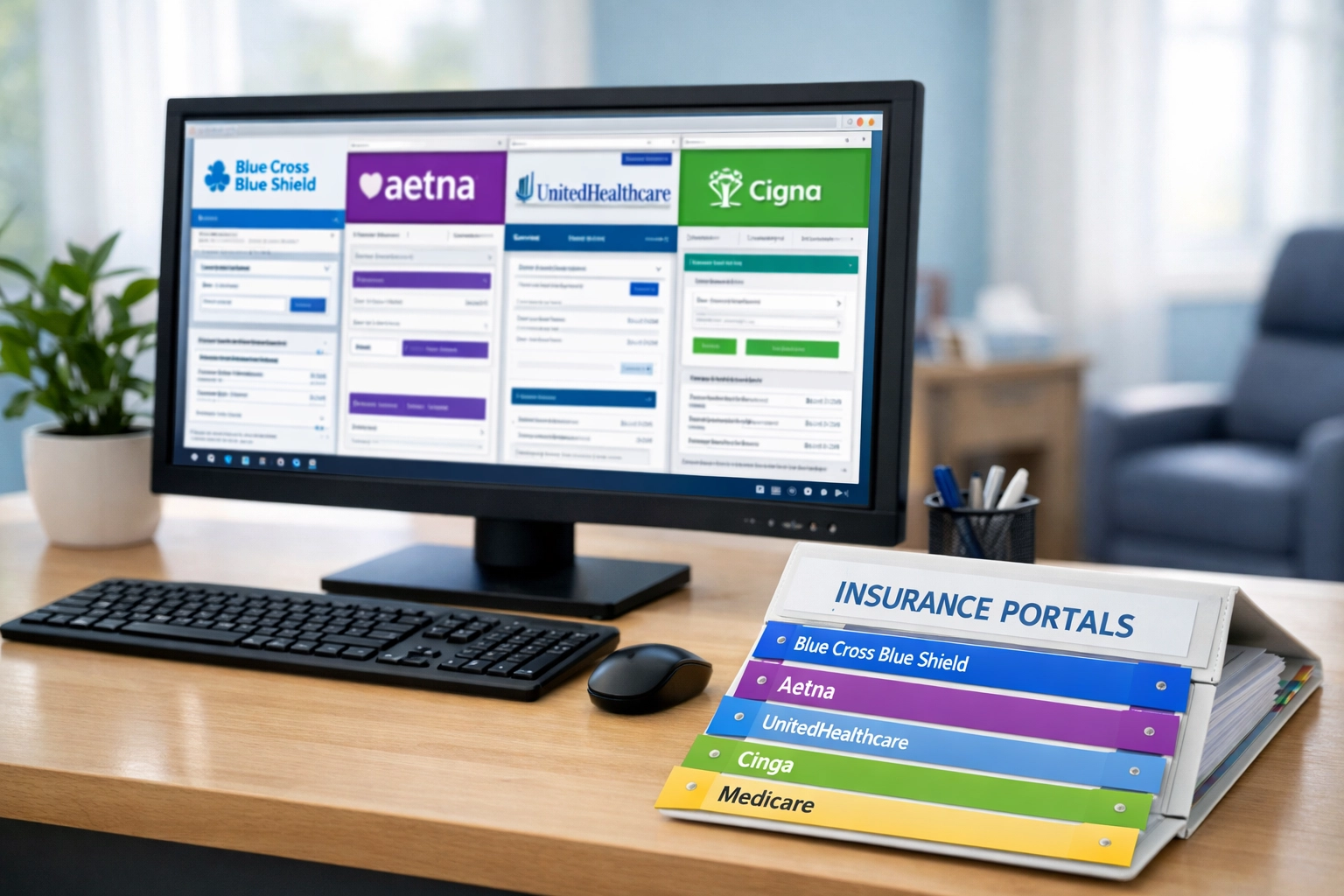
3. Only 35% of Health Plans Have Full Electronic Prior Authorization Systems
Here's the reality check: as of 2024, only about one-third of health plans had implemented full electronic prior authorization (e-PA) systems. That means the majority are still rolling out these solutions throughout 2026.
Expect inconsistencies. One payer might have a slick, automated system while another still requires phone calls and PDF uploads. This patchwork creates confusion and increases the administrative burden on your front desk and billing team.
What you should do: Document each payer's current e-PA status and requirements. Create payer-specific workflows so your team isn't guessing which process to use for each authorization.
The Prior Authorization Game Has New Rules
4. Payers Must Now Cite Specific Denial Reasons
Starting in 2026, affected payers are required to provide specific, documented reasons when denying prior authorization requests. No more vague "not medically necessary" rejections without explanation.
This transparency is a win for practices. You'll finally understand exactly why a request was denied, which makes appeals faster and more effective. It also helps you identify patterns, maybe one payer consistently denies certain CPT codes, or your documentation is missing a specific element they require.
What you should do: Track denial reasons by payer in a spreadsheet or your practice management system. Look for trends. If you're seeing the same denial reason repeatedly, it's a documentation or submission issue you can fix.
5. The WISeR Pilot Is Live in Six States (And It Changes Everything for Traditional Medicare)
If your practice is located in Arizona, New Jersey, Ohio, Oklahoma, Texas, or Washington, pay close attention. Traditional Medicare's new WISeR pilot (Widespread and Predictable Prior Authorization Replacement Program) launched January 1, 2026, focusing on 17 outpatient services.
Here's the catch: you now choose between getting advance approval or risking claim delays and potential denials. It's Medicare's way of testing whether requiring pre-approval reduces improper payments.
What you should do: If you're in a WISeR state, implement a process to identify covered services before they're provided. Build extra time into scheduling to accommodate authorization turnaround times.

6. Pre-Payment Reviews Are Increasing for Non-Authorized Claims
Claims submitted without required prior authorization now face clinical review or payment holds before processing. Translation? Your cash flow takes a hit while claims sit in purgatory waiting for manual review.
This isn't just a Medicare issue. Commercial payers are following the same playbook. Missing authorizations used to result in denials you could appeal. Now they result in payment delays you can't control.
What you should do: Make authorization verification a non-negotiable step in your patient intake process. Flag services that require pre-approval in your scheduling system so your front desk catches them before the appointment.
What's Actually Getting Easier (Yes, Really)
7. Major Payers Are Reducing Prior Authorization Burden
Not everything about 2026 is bad news. Companies like Humana are cutting approximately one-third of their outpatient prior authorization requirements as of January 2026.
Industry-wide, payers are responding to criticism about administrative burden by streamlining or eliminating authorization requirements for lower-risk services. The challenge? Each payer is making these changes independently, so what requires authorization with Blue Cross might not require it with Aetna.
What you should do: Review your top 5-10 payers' updated authorization requirements quarterly. Don't assume what was true in 2025 still applies. These rules are changing rapidly.
8. Health Equity Reporting Is Now Required for Medicare Advantage Plans
Medicare Advantage plans must now track how prior authorization affects underserved populations and report on equity impacts. While this doesn't directly change your workflow, it does mean payers are scrutinizing access patterns more carefully.
If your practice serves a significant number of Medicaid or dual-eligible patients, expect payers to ask questions about authorization approval rates and service access.
What you should do: Monitor whether your authorization approval rates differ by insurance type. If you're seeing patterns where certain populations face more denials, document the trend and be prepared to advocate for your patients.
The Operational Shifts You'll Feel Daily
9. Hybrid Prior Authorization Workflows Are the New Normal
Payers are now using a blend of staff, outsourced support, and automation to process prior authorization requests. You might interact with a human representative one day and an automated decision-making system the next.
The upside? Faster responses in many cases. The downside? Automated systems require precise, standardized documentation to pass algorithmic reviews. If your clinical notes are inconsistent or missing key details, you'll face more denials.
What you should do: Develop standardized prior authorization templates aligned to the specific denial reasons payers now must provide. Train your clinical team to document consistently using terminology that matches medical necessity criteria.

10. Telehealth Rules Just Changed for Behavioral Health Services
If your practice provides teletherapy or behavioral health services, this one matters. Starting January 1, 2026, an in-person visit is required if telehealth was used previously for these services.
This isn't a one-time visit. It's an ongoing requirement to maintain patient eligibility and ensure continued coverage. Missing this requirement could result in denied claims for your telehealth services.
What you should do: Audit your behavioral health patients who receive telehealth services. Schedule required in-person touchpoints and build reminders into your scheduling system to maintain compliance.
What This Means for Your Practice
These changes aren't coming: they're already here. The practices that will thrive in 2026 are the ones that treat regulatory compliance and payer requirements as strategic priorities, not administrative headaches.
But here's what we know from working with therapy practices every day: you didn't open your clinic to become an expert in FHIR APIs and prior authorization workflows. You opened it to help patients.
That's where we come in.
At ALS Integrated Services, LLC, we specialize in navigating exactly these kinds of payer changes on behalf of therapy practices. We monitor regulatory updates, implement new workflows before deadlines hit, and handle the details so you can focus on patient care.
Whether you need support with prior authorization management, denial tracking and appeals, or a full revenue cycle partnership that keeps your cash flow stable through regulatory transitions, we've helped practices just like yours adapt and thrive.
Ready to stop worrying about 2026 payer changes? Contact us at (860) 949-5791 or visit https://alsintegratedsvc.com/contact to schedule a confidential consultation. Let's build a strategy that protects your revenue and gives you peace of mind.
The rules changed. Your revenue cycle partner should keep up.